What Makes Ocala’s Historic Districts So Special?
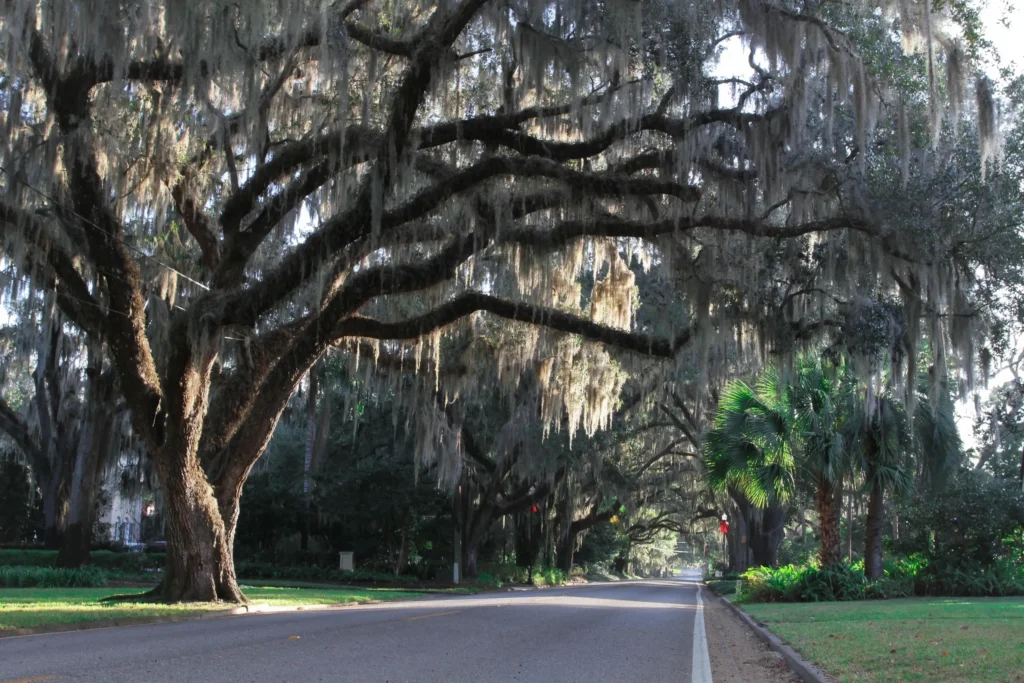
If you know me, you know I’m passionate about homes with charm, character, and a story to tell. And here in Ocala, Florida, we are lucky to have plenty of that. One of the things that makes our city so special is its collection of Ocala historic homes and the neighborhoods that have helped preserve them for future generations. Ocala is home to four historic districts. The Ocala Historic District and Tuscawilla Park Historic District are both locally and nationally designated, while the Downtown Commercial Historic District and West Ocala Historic District are nationally designated. So, why were these districts formed in the first place? In simple terms: to protect the pieces of Ocala that make Ocala feel like Ocala. The City of Ocala says maintaining historic resources is critical because these buildings and places give us a window into the past, reflect the city’s culture and complexity, and still bring irreplaceable value to their neighborhoods today. In the locally designated districts, exterior changes are reviewed through a Certificate of Appropriateness, which helps ensures that historic home property owners preserve the historic character of the area. There is just something special about walking through neighborhoods where the homes were built with craftsmanship, personality, and details you do not see every day. 
These Ocala historic district homes are full of front porches, mature trees, landscaped yards with heirloom plants that have been passed down through generations, beautiful old windows, and architectural styles that tell the story of how our city grew over time. And honestly, I love that. |
Ocala Historic Preservation
Part of what makes the Ocala historic districts so meaningful is that the survival of the historic homes was not automatic. The historic preservation movement that led to the formation of Historic Ocala Preservation Society and the City of Ocala’s preservation framework grew out of a fight over a proposed four-lane road to connect present day’s NE 8th Avenue to SE Maricamp Road. Residents on Wenona Avenue and East Eighth Street organized after learning that the road’s route would eliminate many historic homes and drastically change yards. That neighborhood organizing led to the Wenona Neighborhood Association, then to the formation of the Historic Ocala Preservation Society in 1980 and the City of Ocala’s Historic Preservation Advisory Board in 1982. Many of the Ocala historic homes that we enjoy today are still here because local residents cared enough to speak up and protect them. Citizens built these historic Ocala neighborhoods with character and defended them with heart.
Ocala’s history also helps explain why these neighborhoods matter so much. The City traces Ocala’s development back to historic Fort King and notes that Ocala became the county seat of Marion County in 1846. After a devastating fire destroyed much of downtown on Thanksgiving Day in 1883, the city rebuilt with brick and other fire-resistant materials, earning the nickname “Brick City.” By 1890, Ocala had grown to four square miles and had become one of the largest towns in Florida.
The Tuscawilla Park Historic District is special for more than its lovely old homes. It also grew up around one of Ocala’s earliest and most charming public spaces: Tuscawilla Park. Ocala’s central park has a legacy of civic improvement. The City purchased marshy and trash ridden “Taylor Pond” in 1916, but much of the early beauty people still associate with the park came from the work of the Ocala Woman’s Club who partnered with the City on its creation. These women did far more than plant a few flowers. They helped shape the park’s identity with trees, ornamental plantings, a pergola, a bandstand, and the grand entrance known as Victory Way, dedicated in 1921 to Marion County’s World War I service members. The neighborhood around Tuscawilla Park developed into a collection of Ocala historic homes that includes Queen Anne, Colonial Revival, and Bungalow/Craftsman styles, giving the area its layered, storybook feel. The civic improvement has continued up to present day. In 2010 the Junior League of Ocala donated $70,000 for a playground and family pavilion to the west of The Discovery Center. In 2012 The Ocala Symphony Orchestra partnered with the City of Ocala to repurpose the treasured circa 1936 Art Deco City Auditorium as the Reilly Arts Center. By late 2014 the Symphony raised well over $2 million in community donations to reach their goal. In 2014 an anonymous citizen donated $216,500 through the Community Foundation for Ocala/Marion County to kickstart the creation of the Tuscawilla Art Park. Simultaneously, community stakeholders rallied to raise funds for the creation of Ocala’s first visual art business incubator – the Magnolia Art Xchange. “MAX” is now located in the historic Ocala Train Station, a national historic landmark on the west side of Tuscawilla Park and adjacent to the Art Park. Today community reinvestment continues with Ocala Main Street’s transformation of the former American Legion building into a community hub called “The Heart of the Park”.
That blend of history and civic engagement is exactly what makes Ocala historic homes so appealing. These neighborhoods are not cookie-cutter. They feel established, rooted, and full of personality. Our community has invested in careful development and protection of the Ocala Historic Districts. A historic home is more than square footage — it is part of a larger story.
Of course, owning a historic home can also come with a little extra responsibility. In the locally designated districts, exterior changes need approval so the overall character of the neighborhood stays intact. That may sound a bit formal, but it is also part of what keeps these areas so beautiful and special.
As a local Ocala real estate broker, I think that is part of the magic. Ocala historic homes are not for everyone — but for the right buyer, they are everything. They offer warmth, individuality, and a connection to the past that is hard to replicate.
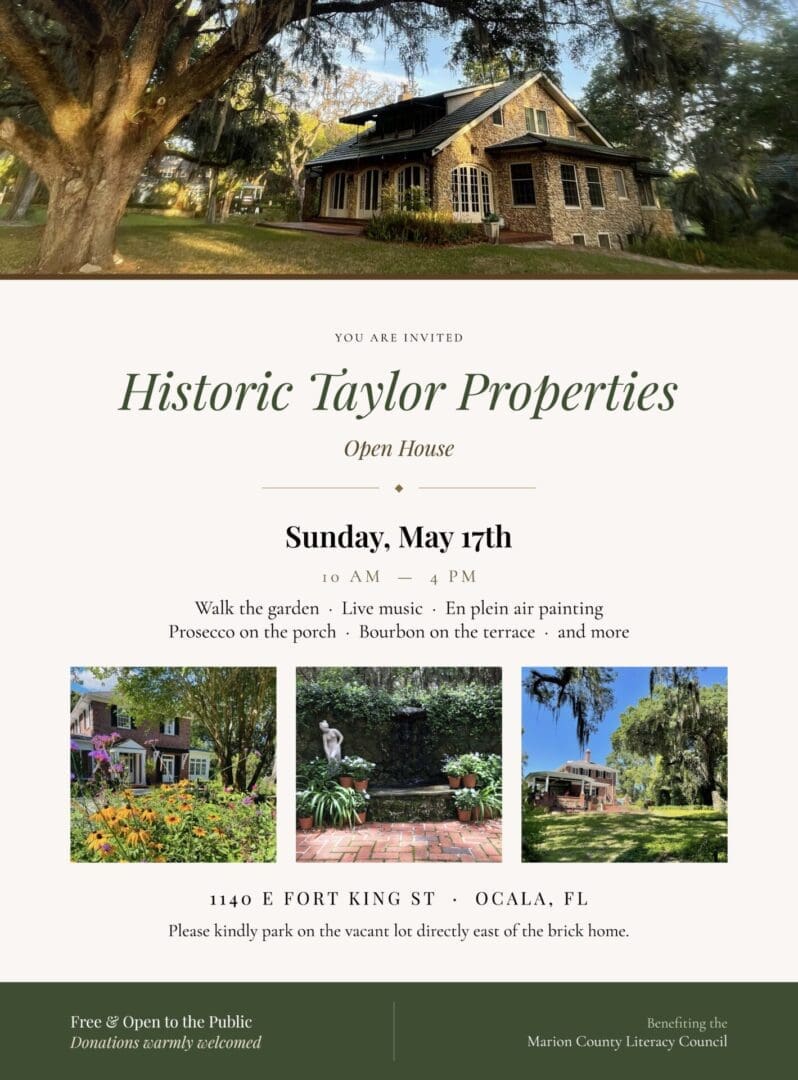
You’re Invited to the Historic Taylor Properties Open HouseDon’t miss a unique Open House at the Historic Taylor Properties! All parcels originally owned by the Taylor family are now under the same ownership for the first time in over 100 years and the public is invited to explore the property on Sunday, May 17, 2026 from 10am – 4pm. Walk the garden, enjoy live music, partake in prosecco on the porch & bourbon on the terrace, and tour the interior of the iconic, field-stone cottage on the corner of E. Fort King and SE 11th Ave. This incredible property is located at 1140 E. Fort King Street, Ocala, FL 34471 and parking will be found on the vacant lot directly east of the two-story brick home. This event is complimentary and open to everyone. Donations are warmly welcomed and will benefit the Marion County Literacy Council. At It’s All About You… Real Estate, LLC, I love helping buyers and sellers appreciate what makes Ocala historic district homes so unique. In a world of fast and shiny, these homes remind us that character never goes out of style. Thinking about buying or selling a historic home in Ocala, Florida? We would love to partner with you and achieve your goals. Visit our Ocala Historic Homes page to learn more. Additional Resources: Historic Ocala Preservation Society – https://historicocala.org/ City of Ocala Historic Preservation – https://www.ocalafl.gov/our-city/live/historic-preservation
|
Ocala Main Street Historic Tour Self-Guided Map and Guided Opportunities – https://ocalamainstreet.org/downtown-walking-tour/