Land Conservation, Family, and the Freedom to Decide What Comes Next
What does it mean to protect family land for generations to come—and who gets to decide what that protection looks like? For me, that question became personal when my family considered placing 60 acres of our 145 acre Marion County working farm, held for five generations, into a conservation easement. Conversations about Marion County Land Conservation and Marion County Farmland Preservation often focus on what an easement can protect. Our story also asks what future choices and land rights a property owner may give up. As interest grows in Land Conservation Easements I wanted to share why my family explored an easement, what we learned, and why we ultimately chose a different path for now.
Five Generations, One Important Decision
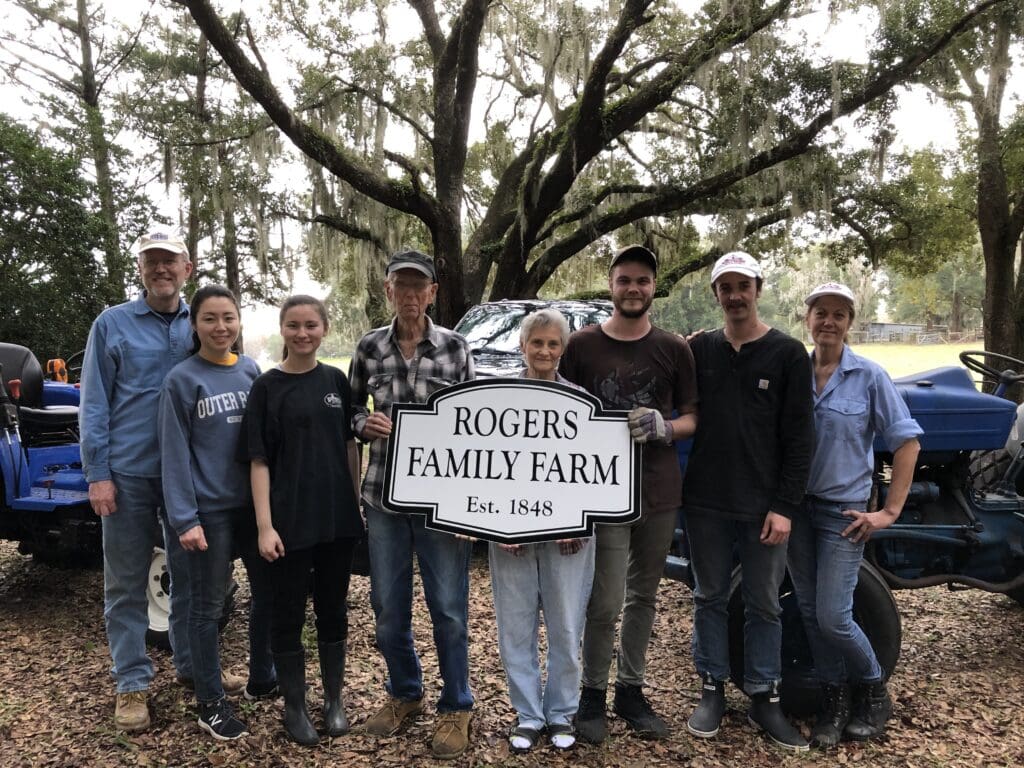
As native Floridians, my family’s connection to Marion County runs deep, and so does our connection to this particular piece of land. Long before we began considering a conservation easement, the property had already taught our family something about stewardship, perseverance, and the uncertainty that comes with owning and caring for land. This land is more than approximately 60 acres in Ocklawaha, Florida with waterfront on Lake Bryant; it is a significant part of our family history.
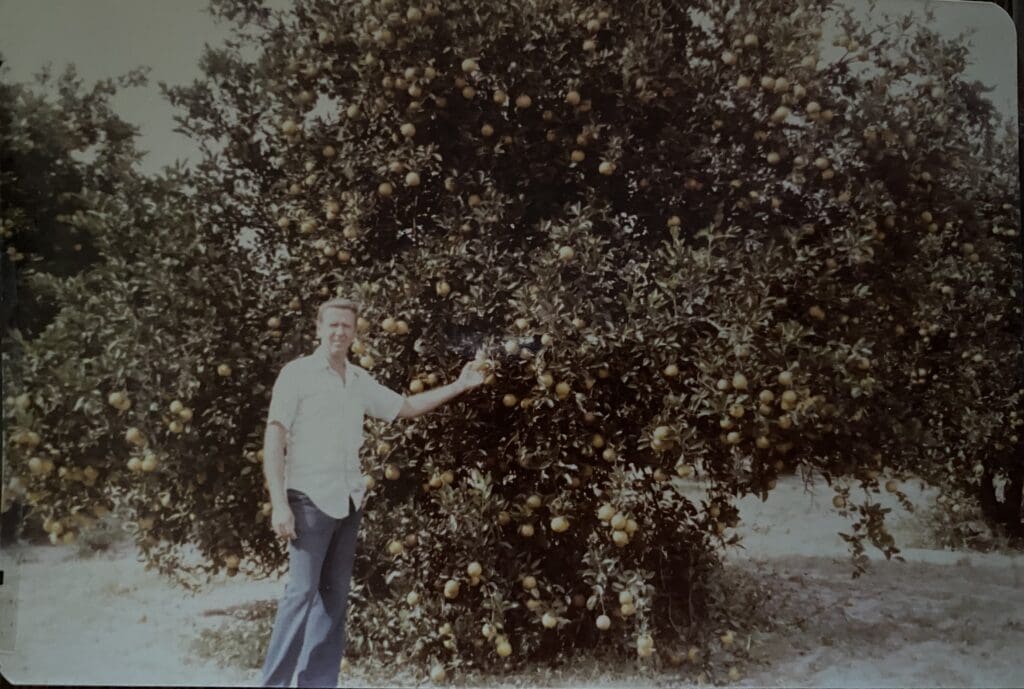
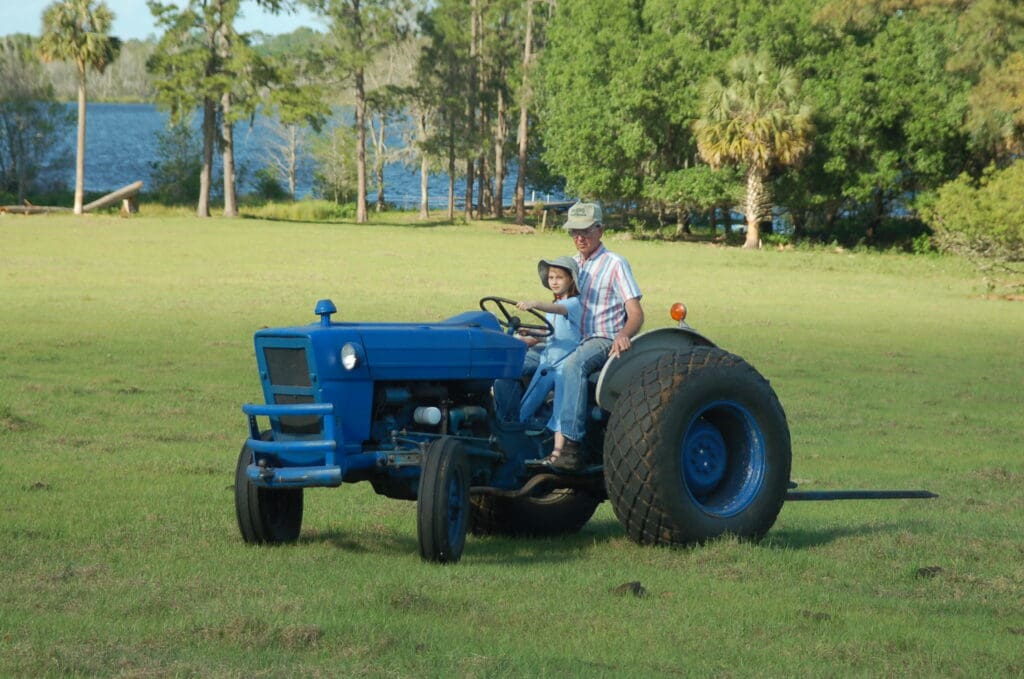
The property was once a thriving orange grove managed by my father, who passed away in 2023. He had dreams of becoming a successful citrus farmer and put a tremendous amount of himself into that grove. Then came the devastating freezes of the early 1980s. After the first freeze severely damaged the trees, my dad didn’t give up. He pruned back the entire grove and worked to bring it back. The following year, it froze again. That second freeze was the final blow to the grove and, understandably, to a dream my father had worked very hard to build.
Eventually, the land was planted in pines, beginning another chapter in its history.
That history was very much on our minds when we considered placing the property into a conservation easement. As our state continues to develop, conservation and awareness have become increasingly important. The proposed easement sought to protect wildlife habitat, water quality, wetlands, the Floridan Aquifer, native vegetation, rural character, and productive forest land. Those are goals we respect and largely share.
Although we believe strongly in conserving Florida’s land, ultimately, we decided not to move forward with the easement.
Our decision was not a rejection of conservation. In fact, we have no plans to develop or sell the property. We intend to continue caring for it. What concerned us was the permanence of the restrictions and the number of choices we would be making not only for ourselves, but for every generation that might own this land after us.
The proposed easement would be perpetual and would run with the land, binding future heirs, successors, and owners. It would extinguish significant future development rights and prohibit subdivision while placing restrictions or approval requirements on construction, roads, certain commercial activities, vegetation management, water resources, and other uses.
To be fair, the proposed agreement also preserved a number of rights, including certain agricultural, forestry, recreational, hunting and fishing uses, as well as the possibility of one future residence subject to specified limitations. But as we worked through the details, one question became increasingly difficult to ignore: How can we know today what this land—or our family—will need fifty or one hundred years from now?
Our own family history tells us that we cannot.
When my father was tending a thriving orange grove, he could not have known that two devastating freezes would completely change the future of the property. The land adapted. Our family adapted. An orange grove became pine forest. What the next generation may need from this property is equally impossible for us to predict.
That is why permanently giving up those choices carries significant value.
The compensation being discussed was approximately $2,000 per acre, or about $85,000 total. We anticipated that attorney, title, and related expenses could consume another $5,000 to $10,000. The land itself is worth considerably more than $2,000 per acre, but our concern went beyond its current market value. Our concern was with permanently surrendering rights associated with the property, including rights that future generations could never simply reclaim if circumstances changed.
The easement was designed to make that decision extremely difficult to reverse. Even if permitted uses became economically impractical someday, that alone would not justify terminating it. Because federal conservation funding was involved, amendments would also require agreement from the land trust and the United States through the Natural Resources Conservation Service (NRCS).
There are many circumstances where a conservation easement is exactly the right choice. We simply concluded that it was not the best option for our family at this time.
My father changed the use of this land when circumstances beyond his control changed its future. As the current land stewards, our family is unanimously and adamantly opposed to its development and want to protect it; however, we also want to maintain the freedom to make our own decisions concerning its future.
We did not walk away from conservation; we will continue it on our own terms. We may pursue this avenue again in the future when and if we have a better idea of the road ahead.
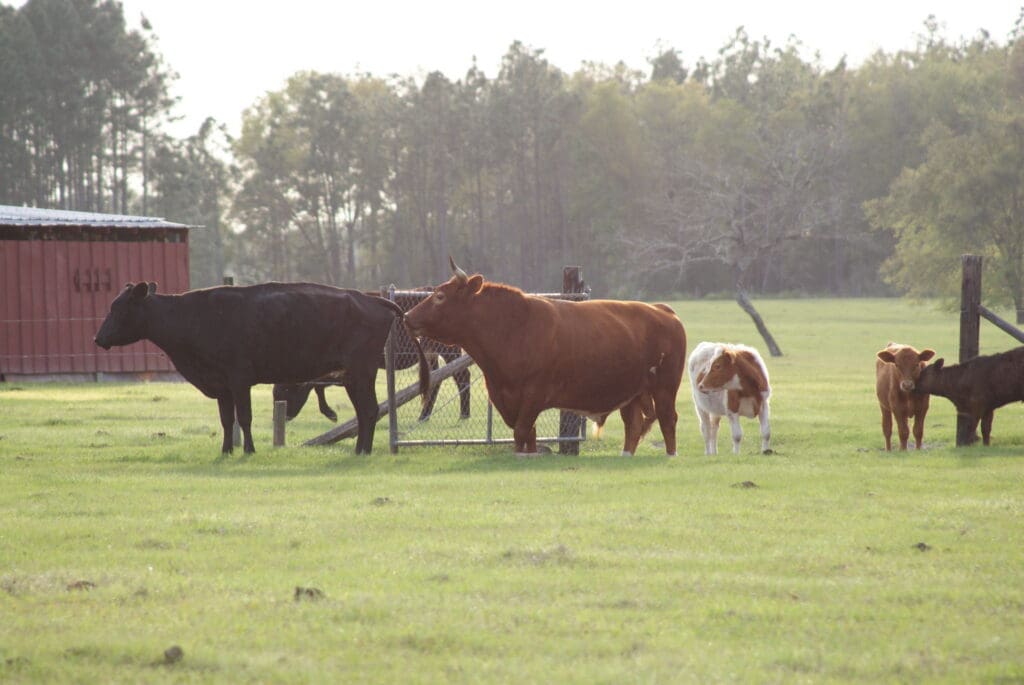
Cattle at the Rogers Family Farm in Marion County
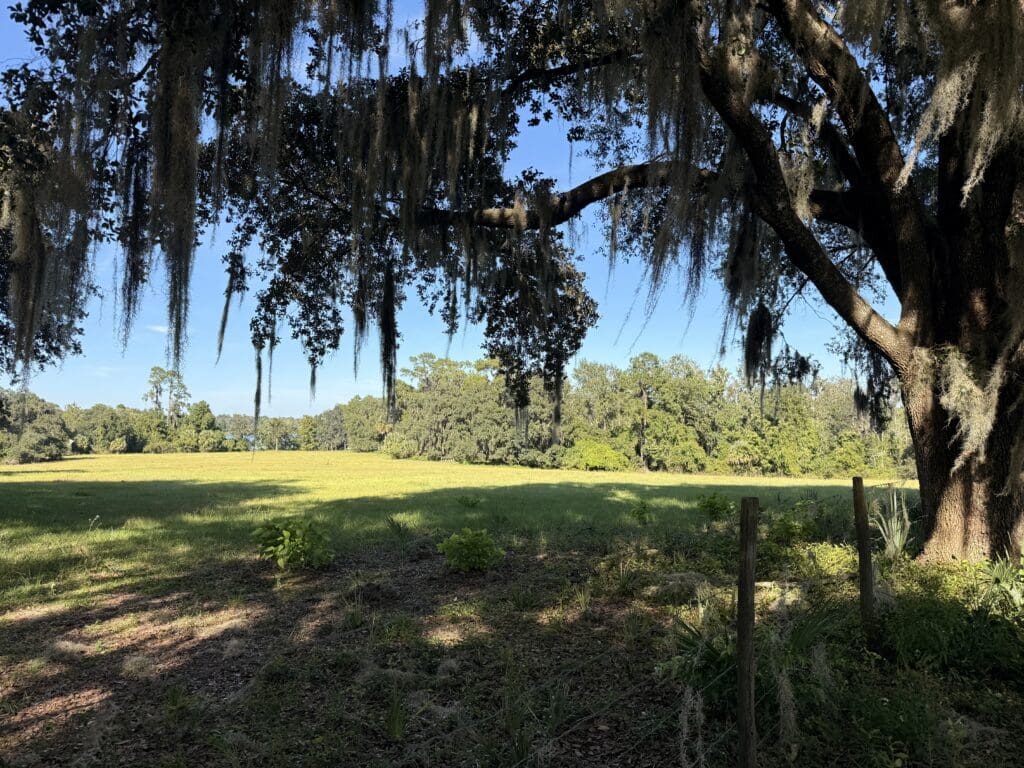
Cattle Pastures Overlooking North Lake Bryant
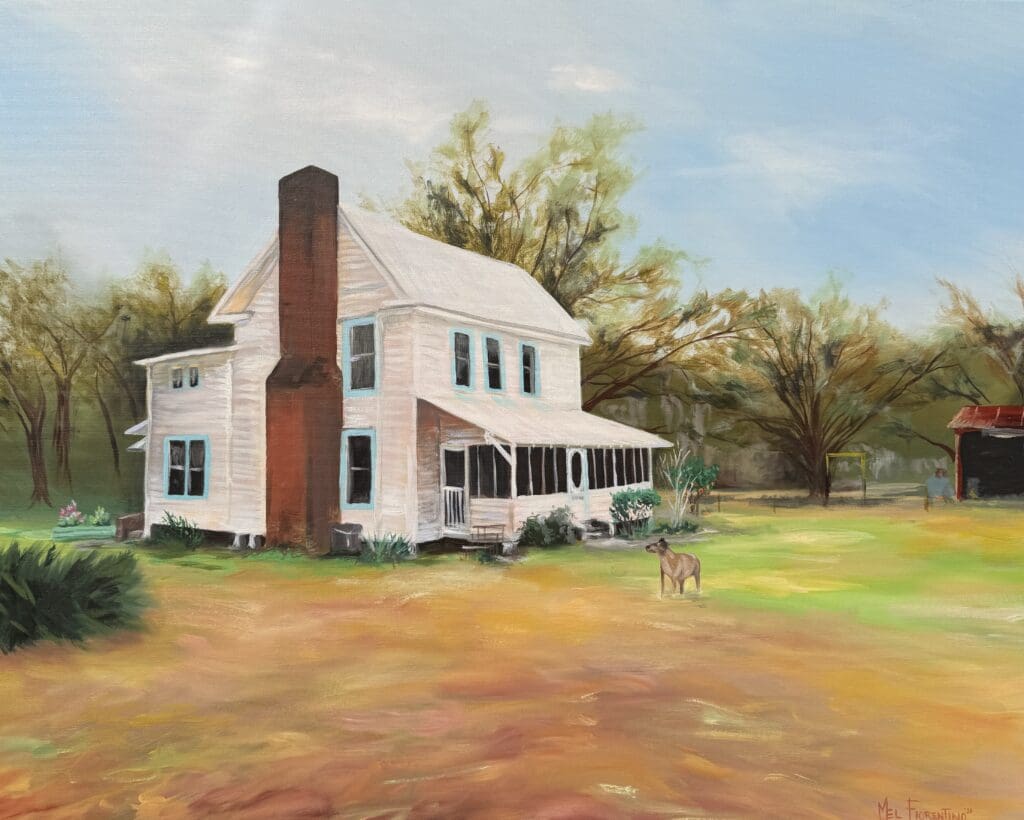
Rogers Family Homestead Painting by Ocala Artist Mel Fiorentino
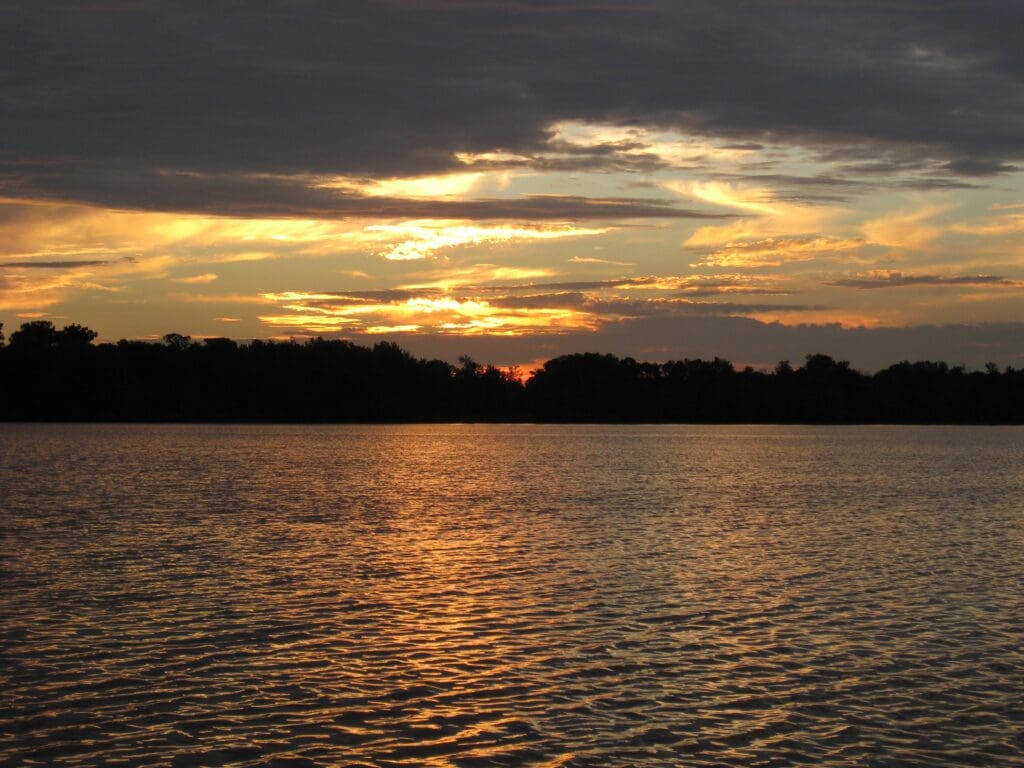
The Rogers Family Farm Boarders-North Lake Bryant
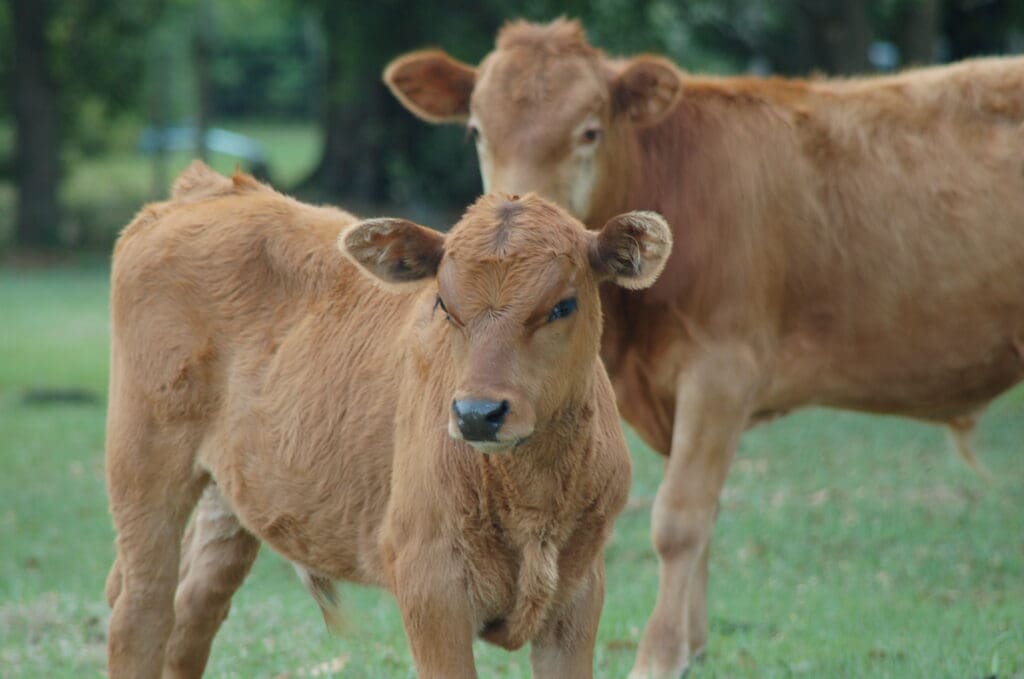
Calves at the Rogers Family Farm
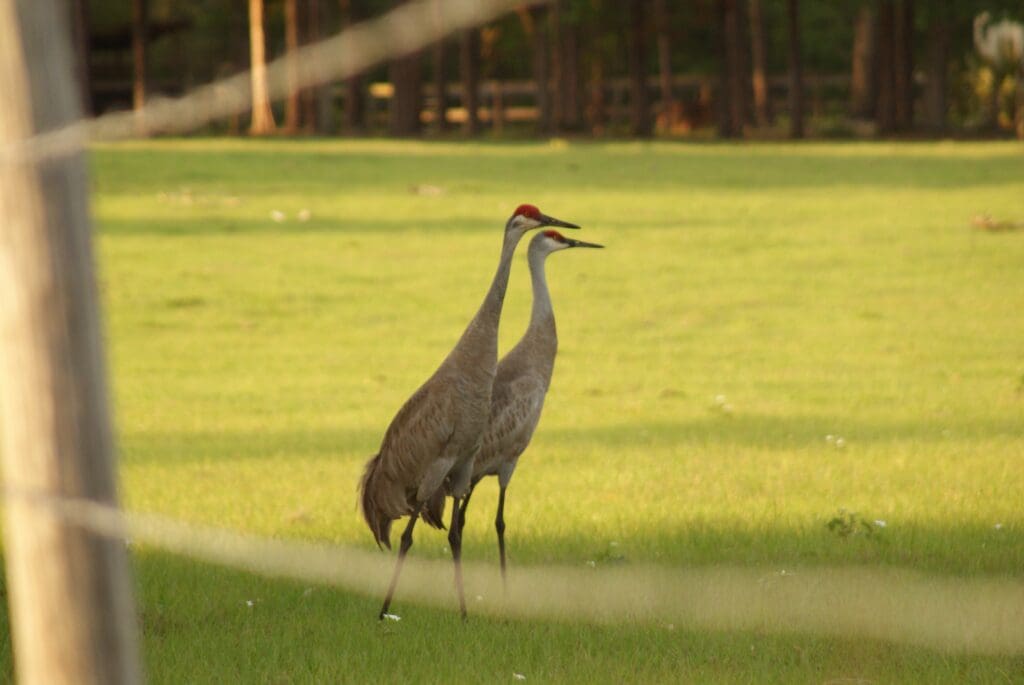
Sandhill Cranes on the Farm
Your Farm Goals Deserve Partnering with Someone Who Understands the Land
Every piece of agricultural land has its own history, opportunities, and questions about the future. If you’re buying or selling an Ocala farm or acreage in Marion County, I would love to help you.
My firsthand experience caring for family land brings a thoughtful perspective to conversations about land use, property goals, and the next chapter for an agricultural property. Learn more about me and view my contact information by visiting our Ocala residential real estate brokerage’s About Us page.
Learn More:
Florida Wildlife Corridor Foundation